About
I work on the systems behind human capability.
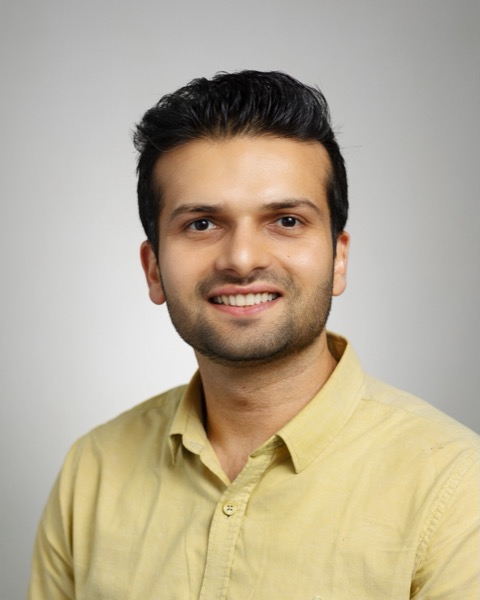
Ankur Verma is an engineering leader and writer focused on judgment, decision-making, and human-centered technology. He has spent more than a decade working on wrist-worn products, sensing systems, and the teams required to bring difficult technology into the world.
Full bio
I work at the intersection of engineering, leadership, and human capability.
I am currently an engineering leader at Meta working on neural wearables. Before that, I spent several years at Apple on the Watch and health sensing team, and earlier at Texas Instruments. My experience spans wearable computing, health sensing, hardware systems, and the cross-functional work required to turn an ambitious idea into something reliable, useful, and real. I also hold a graduate degree from Stanford, where I studied RF and mixed-signal systems and digital signal processing.
I am equally interested in the human side of building technology: how people make decisions when the answer is unclear, how teams handle disagreement, and how leaders build capability that lasts beyond their own direct involvement.
I have interviewed more than 300 engineers, managers, and cross-functional leaders. That experience has reinforced a simple belief: technical skill matters, but judgment determines what people do when the playbook runs out.
I write about decision-making under pressure, trust, organizational design, AI-native hardware, health sensing, and the practical habits that help teams move with clarity. Views expressed here are my own.
What I believe
- Clear decisions are better than performative consensus.
- Trust grows when tradeoffs are visible.
- Conflict handled early is usually kinder than conflict avoided.
- Hardware is a strategic capability, not a downstream service.
- The strongest leaders build teams that can make good decisions without them.
Human-centered technology
Technology that improves people's lives has to be built with a clear understanding of what people actually need — not just what is technically impressive or commercially convenient.
Better health outcomes
Health technology has enormous potential and a mixed track record. The hard work is building products that are clinically meaningful and accessible — not just compelling in demos.
High-trust, high-accountability teams
The best teams I have been part of are ones where trust and accountability coexist — where people are genuinely empowered and genuinely responsible.
Learning and long-term thinking
The best decisions I have made have been informed by reading broadly, thinking carefully, and staying curious about domains adjacent to my own.